By Anonymous (not verified), 17 February, 2026
We've all heard defeatist self-talk from students: "I'm terrible at math." "I'll never be a good writer." "I hate history." Of course, such beliefs make learning these subjects all the more difficult. But sometimes positive self-talk can also be problematic: "I'm great at math." "I'm a natural-born writer." "I know everything about history." What's wrong with such statements?
By Anonymous (not verified), 17 February, 2026
The Chinese philosopher Confucius observed that we learn wisdom in three ways: First, by reflection, which is noblest Second, by imitation, which is easiest Third, by experience, which is bitterest Confucius’s insights can serve as inspiration for your writing program. Here’s how. Wisdom by Reflection, Which Is Noblest Provide your students with many opportunities for personal writing, because it naturally leads to reflection. Personal writing includes journal writing, blog writing, personal narratives and essays, poetry, and so on.
By Anonymous (not verified), 17 February, 2026
On an average day, American teens spend more time consuming media than attending school. That's the shocking conclusion of a 2015 survey: Teens (ages 13–18) spend an average of 9 hours a day using media while tweens (ages 8–12) spend nearly 6 hours a day. What’s more, these estimates exclude time spent using media for school or homework! So, how can we help students consume media wisely? How can we teach them to analyze media messages, test them for reliability, and search for bias?
By Anonymous (not verified), 17 February, 2026
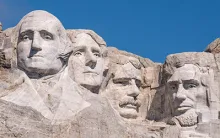
This Presidents' Day, awaken your students' interest in the past! Help young learners delve into U.S. history by using these exciting activities in your primary classroom. Presidential Quotes Start out the month of February with 10 presidential quotes. Put these quotes on display in your classroom and share one a day. You'll be surprised how many have relevancy in your young learners’ lives.
By Anonymous (not verified), 17 February, 2026
Inspire your students to explore black history and culture through writing. Present any of these engaging writing prompts in your middle school or high school classroom during Black History Month or beyond. Each activity requires students to inquire about the people, places, events, and issues that have shaped African-American history. Writing a Historical Dialogue Ask your students to imagine what a conversation would be like between them and a significant African-American contributor to social studies, science, math, or English. What would they ask?
By Anonymous (not verified), 17 February, 2026
Our students spend a lot of time using screen media but not much time creating digital content. According to Common Sense Media, teens spend only three percent of their time creating new things.
By Anonymous (not verified), 17 February, 2026
In this featured lesson plan, Writers Express author and former elementary teacher Ruth Nathan shares a fun way to wrap up a biographical writing unit. Putting Biographical Knowledge to Work: “Dates with the Greats” Interview Party After your students write reports about important people, give them another opportunity to put their knowledge to work! Explain that your class is going to have a “Dates with the Greats” interview party.
By Anonymous (not verified), 17 February, 2026
You may have noticed a new symbol on some of our resource pages: This is a Creative Commons license. When you see this symbol, you’re free to use, share, and re-purpose the material in your classroom as you see fit. The symbol designates the material as an open-education resource, or OER for short. Open-education resources are part of an emerging content revolution, with the potential for immense impact in the classroom and beyond. What exactly is OER? The Hewlett Foundation defines OER as . .
By Anonymous (not verified), 17 February, 2026
Novels and short stories are filled with emotions. The characters in them experience the ups and downs of the human condition, often in dramatic fashion. And as we read along, we feel things, too—about the characters and ourselves.
By Anonymous (not verified), 17 February, 2026
Students in my writing workshops use close reading as a way to learn writing—with no particular directive from the first Common Core Anchor Standard. Through close reading, students analyze the writing style and techniques of their favorite authors. When students discover something that catches their attention, they discuss it with their classmates or write about it in their learning logs. Here’s how a discussion of the book Bat Loves the Night went during a recent workshop.