By Anonymous (not verified), 17 February, 2026
When it comes to reading, fluency is fundamental.  Students can learn strategies to comprehend new information, predict upcoming text, and connect reading to personal experience. In the process, they improve speed, accuracy, and expression. Improving fluency requires regular practice and support.
By Anonymous (not verified), 17 February, 2026
“Could you be more specific?” Teachers love to ask this question, and for good reason. It encourages students to clarify their thinking with specific answers rather than generalities.  Students should ask this same question while they write. Without concrete details, writing falls flat. Vague ideas cause dull reading and misunderstanding. Specific details build interest and understanding. Featured Activity: Revising for Specificity Students will write clearer and livelier pieces when they replace general details with specific alternatives.
By Anonymous (not verified), 17 February, 2026
March marks the beginning of Women’s History Month. While women deserve recognition every day, this time of year presents a perfect opportunity to pay homage to women of the past and present. The five writing activities below prompt middle and high school students to explore women’s achievements while also honoring the ongoing fight for progress and equality. Writing a Historical Dialogue This prompt introduces students to 16 women who have contributed greatly to history, arts, activism, and science.
By Anonymous (not verified), 17 February, 2026
To innovate and problem solve, students need to exercise their creative muscles as much as their critical ones.  You don’t need to teach art or theater to inspire creative thinking.
By Anonymous (not verified), 17 February, 2026
Living through a pandemic has placed an enormous mental-health burden on students. Stress and isolation have increased anxiety, depression, and suicidal thoughts among young people. Even though students are slowly returning to in-person classes, the mental toll of the past year will likely linger for a long time, influencing learning and behavior. How, then, can you best support your students’ social and emotional well-being while also caring for your own? To start, it is important to recognize what stress does to the brain.

By Anonymous (not verified), 17 February, 2026
Effective writing flows smoothly from sentence to sentence, leading to clear and pleasurable reading. Young writers, though, are still learning how to command the rhythm of a page. They can get their ideas down, but their sentences often sound choppy or halting. What they need is a little variety.
By Anonymous (not verified), 17 February, 2026
Sadness is a beautiful emotion, tender and vulnerable. When someone is sad or crying, it is like seeing into the person’s heart.  Yet, many students don’t know how to properly manage sadness. Sadness is not something they’ve carefully considered or discussed. As a result, they may bottle it up or feel embarrassed by it. You can empower students to deal with sadness in healthy ways. Use this quick activity from In Focus to start a conversation about sadness.
By Anonymous (not verified), 17 February, 2026
Students often associate grammar with a complicated set of rules and terms instead of an avenue for clear and powerful writing. Unfortunately, this misconception often stems from traditional ways of teaching grammar. (Think of sentence diagrams and red ink.) You can create better conditions in your classroom. Make grammar relevant and useful to your students with these research-supported practices. 1. Teach grammar with authentic writing. To make grammar instruction stick, connect it to students’ writing. Introduce new concepts as students reach the editing stage of writing projects.
By Anonymous (not verified), 17 February, 2026
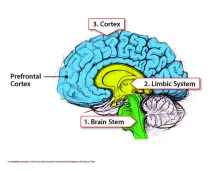
Teaching students about their brains and how they work will help them understand their emotions and thoughts. While the brain is a complex structure, you can teach its basic parts in a way students will understand. Introduce your students to the “lizard,” “dog,” and “owl” areas of their brains with this quick, hands-on lesson from In Focus. Learning About the Brain Today we are going to focus on learning about your brain.  (Hand out or display this illustration of the brain.) Our brains have three important areas.  (Point to the brain stem.) The first area is t
By Anonymous (not verified), 17 February, 2026
Fitting grammar instruction into your busy classroom can put you in a pickle. On the one hand, students need consistent practice and support with grammar and conventions. On the other hand, correctness is just one aspect of effective writing—students also need to develop other essential traits and write for authentic purposes. How can you find the time?  One solution is to integrate grammar minilessons into your larger writing units.