Writing a Classification Essay
Once you finish prewriting, you are ready to create the first draft of your ideas. These writing activities will help you create a strong beginning, middle, and ending for your classification essay. You'll also read another student's essay to see how all of the parts came together.
Writing the Beginning Paragraph
The beginning of your classification essay should introduce your topic with some interesting background information and then give your focus statement.
Write your beginning paragraph.
Create your first paragraph, starting with interesting background information and moving toward your focus statement.
Lead Sentence
We humans have created devices, such as camouflage-patterned military fatigues and pepper spray, to protect ourselves in dangerous situations.
Detail Sentences
Have you ever wondered where we got the ideas for these tools? They may have come from examples set by other members of the animal kingdom. Animals face many dangers in their environments, and they have some unusual and inspired methods of defense.
Focus Statement
Three ways in which animals protect themselves are by changing colors, releasing chemicals, and giving up a body part.
Writing the Middle Paragraphs
In your middle paragraphs, you will include the important details that you gathered about the parts of your topic. Focus on only one part or category in each paragraph.
Write middle paragraphs.
Cover a different category in each of your middle paragraphs. Use transitions and key words to keep the parts or categories sorted out.
Transitions and Key Words
one
another
in addition
also
kind
type
variety
group
part
both
neither
as well
each
either
this
that
Middle Paragraph 1
Topic Sentence
Detail Sentences
Middle Paragraph 2
Topic Sentence
Detail Sentences
Middle Paragraph 3
Topic Sentence
Detail Sentences
Middle Paragraph 4
Topic Sentence
Detail Sentences
Teaching Tip
Let students know they don’t have to have four middle paragraphs.
Writing the Ending Paragraph
The ending of your classification essay is the place to sum up the information you have presented and make a final observation.
Write your ending paragraph.
Try out the ending strategies below. Then combine the sentences into an ending paragraph.
- Sum up the categories.
Imagine that our skin turned color when we went from carpet to grass or that we spit venom into the eyes of anything that attacked us.
- Get your readers to think.
Animals’ protective properties may seem odd at first glance, but as we think about them, they seem quite familiar.
- Provide a final sentence to wrap up the discussion.
In situations of real danger, human beings have used similar strategies to survive.
Read a Sample Classification Draft
Read a classification essay draft.
Note how the writer put the parts together.
Skulkers, Stinkers, and Sloughers
LeadWe humans have created devices, such as camouflage-patterned military fatigues and pepper spray, to protect ourselves in dangerous situations. Have you ever wondered where we got the ideas for these tools? They may have come from examples set by other members of the animal kingdom. Animals face many dangers in their environments, and they have some unusual and inspired methods of defense. Focus StatementThree ways in which animals protect themselves are by changing colors, releasing chemicals, and giving up a body part!
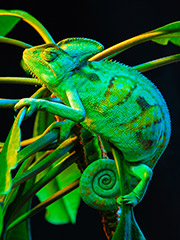
Topic SentencesProtective coloration is a trait that helps animals blend in with their environments. One form of protective coloration is the ability to change colors. An animal that is well known for its protective coloration is the chameleon, a lizard that changes from green to brown when it moves from a green setting into a brown setting. Octopi not only change their color but even the texture of their skin to match rocks on the floor of the ocean. Other creatures change colors with the seasons. The ptarmigan is a bird that lives in the Arctic region and turns from brown in the summer to white in the winter. Snowshoe hares and arctic foxes also have different winter and summer coats. Protective coloration is an effective tool for these animals.
Other animals fight back by releasing chemicals that deter attackers. Detail SentencesPerhaps the most famous example is the skunk, whose powerful musk makes it one of the most dreaded creatures in nature. The octopus uses a similar spray to temporarily blind enemies and escape in a cloud of ink. In the insect world, bombardier beetles spew hot, toxic chemicals that can maim or kill potential predators. And the horned lizard of the desert Southwest shoots blood out of its eyes to totally terrify attackers. Whether these defenses leave attackers stinky, confused, wounded, or disgusted, they all create strong deterrents.
Key Words and Transitions Some animals even sacrifice a body part in order to get away from predators. Salamanders and skinks can drop their tails at will to get away from an attacker. Don't worry, though, because they can grow them back. Starfish can lose four out of five points, but as long as they still have a mouth, they can fully regenerate. Some worms can also regrow body parts, even heads. But this power isn't limited to just slimy life forms. After all, male deer grow sets of antlers for defense (and attack) every spring, and shed them every winter to regrow a new set. Besides being really amazing, these adaptations are life savers!
Ending ParagraphImagine that our skin turned color when we went from carpet to grass or that we spit venom into the eyes of anything that attacked us. What if we simply dropped a leg if it got hurt in an accident, only to have it grow back again? Animals’ protective properties may seem odd at first glance, but as we think about them, they seem quite familiar. In situations of real danger, human beings have used similar strategies to survive.
Teaching Tip
Students will recognize many parts of this essay, such as the lead, focus statement, and topic sentences. Help them see the choices the writer has made in drafting.