Revising Advertisement Essays
After you write a first draft, you're ready to revise. You need to think about how well you have connected your product to the needs of readers. You also need to make sure you haven't used any unfair appeals, which actually weaken your argument. These activities will help you revise.
Revising to Appeal to Readers
You can't convince people to buy your product by showing how it will help you. You must convince them by showing how your product helps them. To do so effectively, you need to think about the needs of your audience.
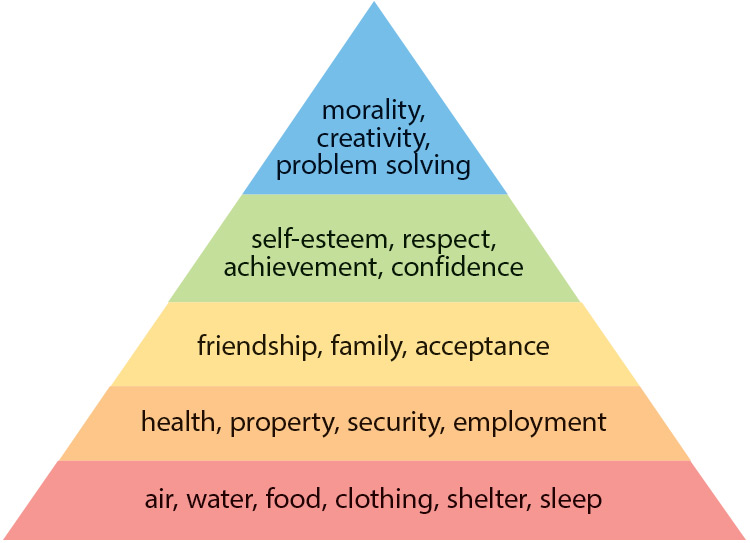
The American psychologist Abraham Maslow created a pyramid that showed different levels of human need. At the bottom, you'll find basic needs: air, water, food, and so on. On the next level, you'll find needs that build on those, and so on, going up to morality, creativity, and problem solving at the top. You can use this pyramid to connect your product to the needs of your readers.
Connect to readers' needs.
Answer the following questions to think of ways your product helps readers.
- How does your product connect with readers' basic needs (bottom-level)?
- How does your product connect with readers' intermediate needs (middle three levels)?
- How does your product connect with readers' upper-level needs (top triangle)?
- Choose three needs from the list above. For each one, write a sentence that appeals to your reader, showing how the person benefits from the product.
Revise to appeal to needs.
If one or more of the appeals you wrote in the last activity would strengthen your advertisement essay, revise to include these new connections.
Revising to Avoid Logical Fallacies
Now that you have connected your product to the needs of readers, you need to make sure you haven't made any unfair appeals. Often, advertisers appeal to readers' needs in unfair ways, using fuzzy thinking (logical fallacies) to convince others. These short-cuts to thinking fool readers rather than truly convincing them. Watch out for the following logical fallacies:
Jumping to Conclusions
Studies show that frequent Facebook users are often more depressed than others, so everyone should quit Facebook.
- Avoid the temptation to draw a conclusion that you haven't clearly supported with evidence. Just because some frequent Facebook users have higher depression doesn't mean that all Facebook users do. Also, the study doesn't show whether Facebook makes users depressed or whether depressed people turn to Facebook to feel better. This statement jumps to a conclusion.
Bandwagoning
Everybody who is anybody is on Facebook, so you'd better be, too.
- Don't say that a product is good because everyone likes it. This is called "bandwagoning" because people used to drive bandwagons through towns to convince people to join their cause. Something isn't necessarily true because many people agree with it. It's unfair to tell people to agree with you or be left out.
Exaggeration
People on Facebook are living in the interconnected future, while people who are not are stuck in the black-and-white past.
- This statement is clearly an exaggeration. Everyone is living in the present, whether they are on Facebook or not. And Facebook is certainly not at the cutting edge of social media. Readers will not be convinced by arguments that are so clearly blown out of proportion.
Half-Truths
Mark Zuckerburg is one of the richest people in the world, so he is trying to keep you on Facebook only for his own gain.
- Yes, Mark Zuckerburg is rich and wants to keep you on Facebook, but he has also created a social network that has helped many people in many ways. His wealth is only half of the story. Your argument is weakened when you make statements that ignore the other side of the issue.
All-or-Nothing Statements
The sole purpose of Facebook is to let the government and advertisers spy on you.
- Avoid using statements that allow for no other perspective. Though it is true that Facebook gathers a great deal of data on the interests of users and provides that data to advertisers, this is not the "sole purpose" of Facebook. Stating a position in such absolute terms makes it hard to defend.
Identify logical fallacies.
Identify the type of logical fallacy in each example below. Then write an explanation about why each statement is that kind of fallacy.
- The only reason for YouTube is cat videos.
Fallacy:
Explanation:
- YouTube often must take down copyrighted material, so people who use it are pirates.
Fallacy:
Explanation:
- YouTube is filled with many videos created by amateurs without the skill or equipment to produce quality work.
Fallacy:
Explanation:
- All the cool people love YouTube, so don't miss out.
Fallacy:
Explanation:
- YouTube contains literally every video a person could ever want to see.
Fallacy:
Explanation:
Check for logical fallacies.
Review your advertisement essay, watching for the five logical fallacies that you just learned about. If you discover any, make changes to avoid these persuasive pitfalls.
Revising with a Peer Response
Share your writing.
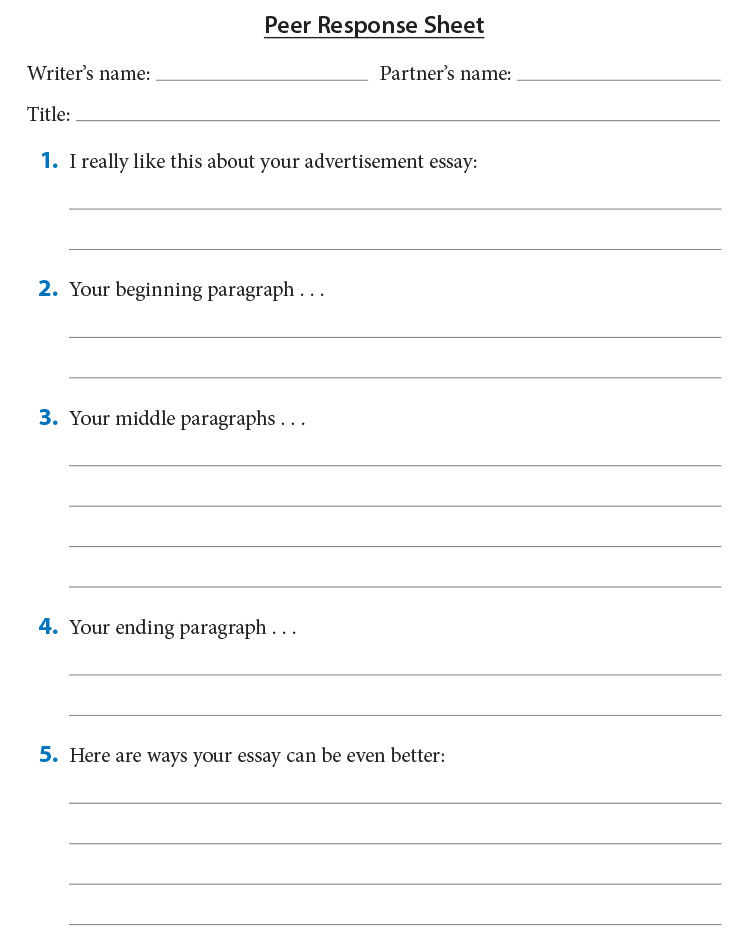
Have a partner read your essay and then respond to it by completing this form. A responder should try to list at least one strong point for each part and, if at all possible, one thing to improve.
Revising in Action
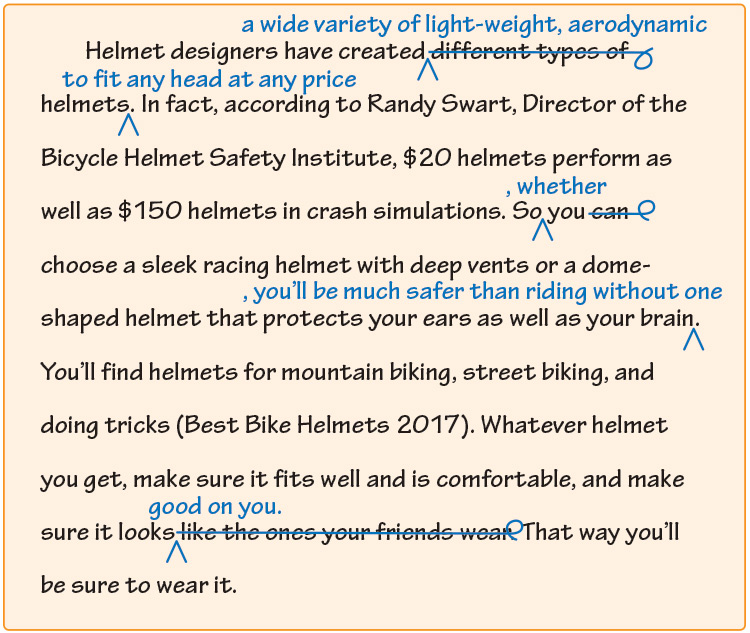
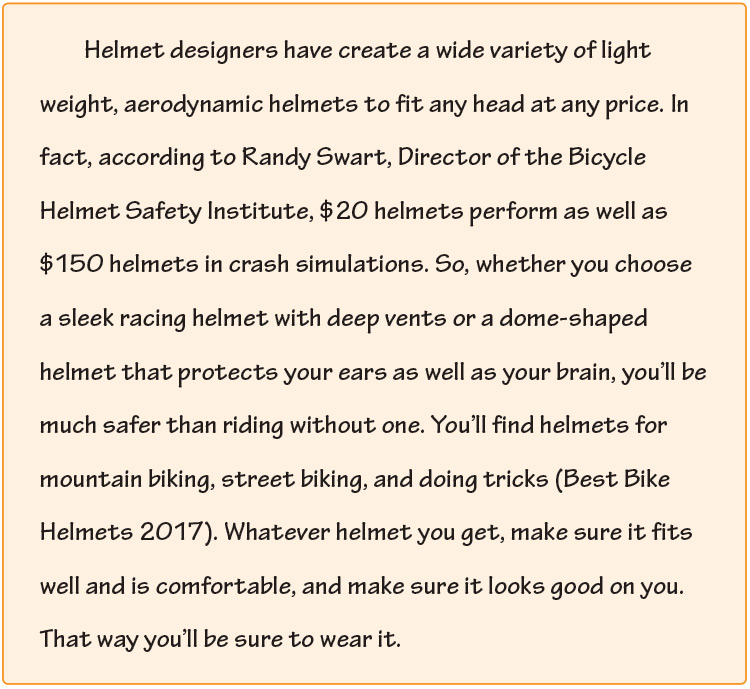
When you revise, you add, take out, rewrite, and rearrange your writing to make it clearer. Here are revisions to one student’s essay.
-
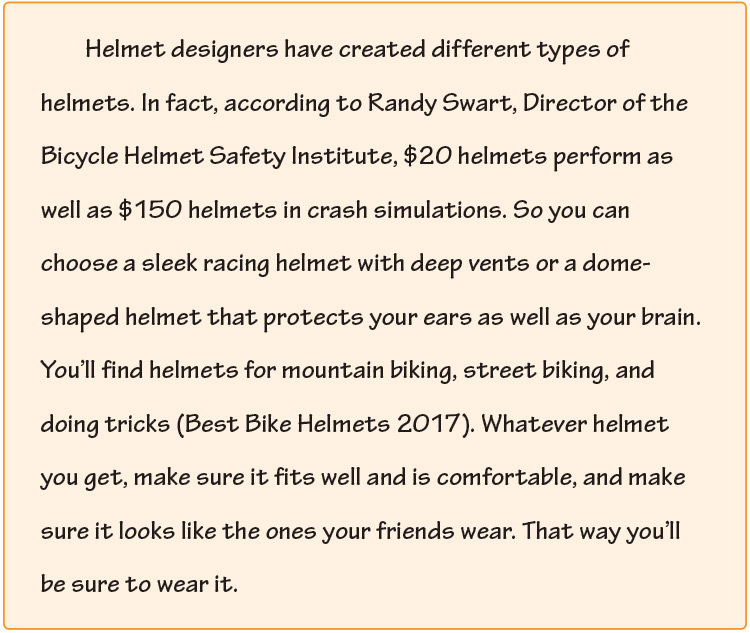
Paragraph Before Revising
-
The writer appeals to readers and removes bandwagoning.
-
Paragraph After Revising
Revise with a checklist.
Read each line in the checklist. When you can answer each question with a yes, check it off.
Ideas
- Is my opinion statement clear?
- Do I provide strong reasons and develop them with details?
- Do I appeal to the needs of the reader?
- Do I avoid logical fallacies?
Organization
- Does the beginning paragraph state my opinion clearly?
- Does each middle paragraph explain a strong reason?
- Do I answer an objection in a convincing way?
- Does the ending paragraph wrap up the essay and give a call to action?
Voice
- Do I sound sincere and interested in the topic?
- Do I refute, answer, or concede objections in a fair and polite manner?
Word Choice
- Have I used specific nouns and active verbs?
Sentence Fluency
- Do my sentences flow smoothly from one to another?
- Do I use transitions to connect ideas?