CCSS.ELA-LITERACY.W.8.5

By Anonymous (not verified), 12 March, 2026

Revising Application Letters

Once you finish a first draft of your application letter, set it aside for awhile. When you return to it, you can see it with a fresh perspective. When you revise, you look at your essay from your reader's point of view to make sure your writing includes a proper tone and effective details. These activities will help you revise.

By Anonymous (not verified), 12 March, 2026

Writing an Application Letter

Once you finish prewriting, you are ready to write the body of your letter. These activities will help write strong opening, middle, and ending parts.

Writing the Opening Part

Write your opening part.

Read about opening strategies. Then use them to write the beginning of your letter of application.

In the first part of your letter, you should do two things.

  • Identify the position that you are applying for.

    I am interested in going to SeaScapes Scuba Camp this summer.

  • Tell what you know about the organization, such as where you learned about it.
  • I read about your camp in the most recent issue of Scuba Kidz magazine. I understand that your camp is for kids aged 10 to 16 with all different levels of experience.

Opening Paragraph

Writing the Middle Part

Write your middle part.

Read about middle strategies. Then use them to write the middle part of your letter.

By Anonymous (not verified), 12 March, 2026

Prewriting for Application Letters

Prewriting is your first step in writing an application letter. These activities will help you select a topic, gather and organize important details, and review the key parts of business letters.

Prewriting to Find the Right Opportunity

Review opportunities.

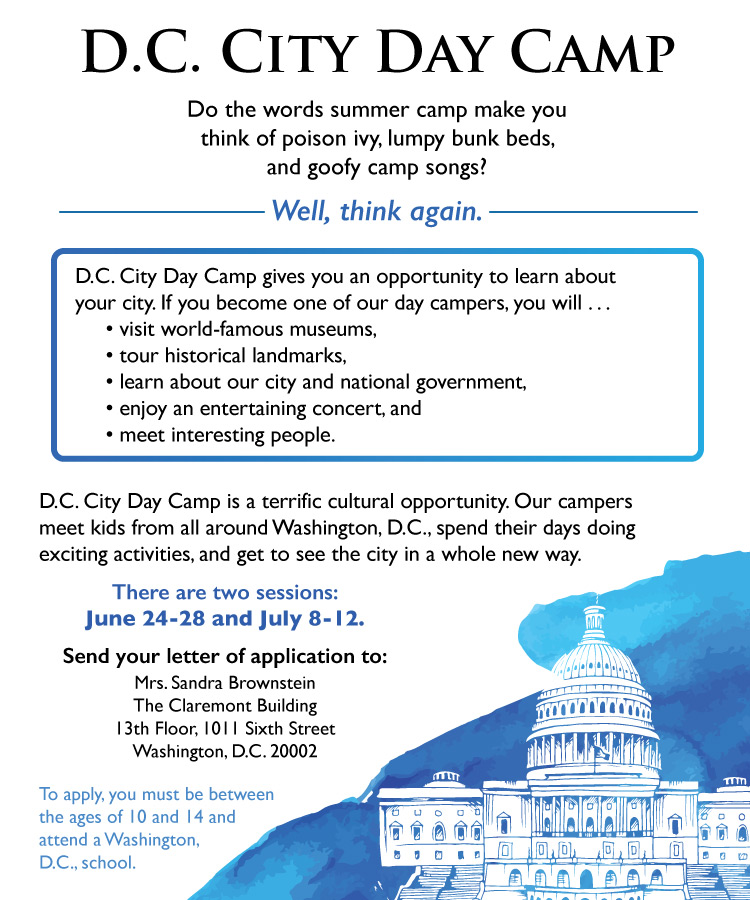
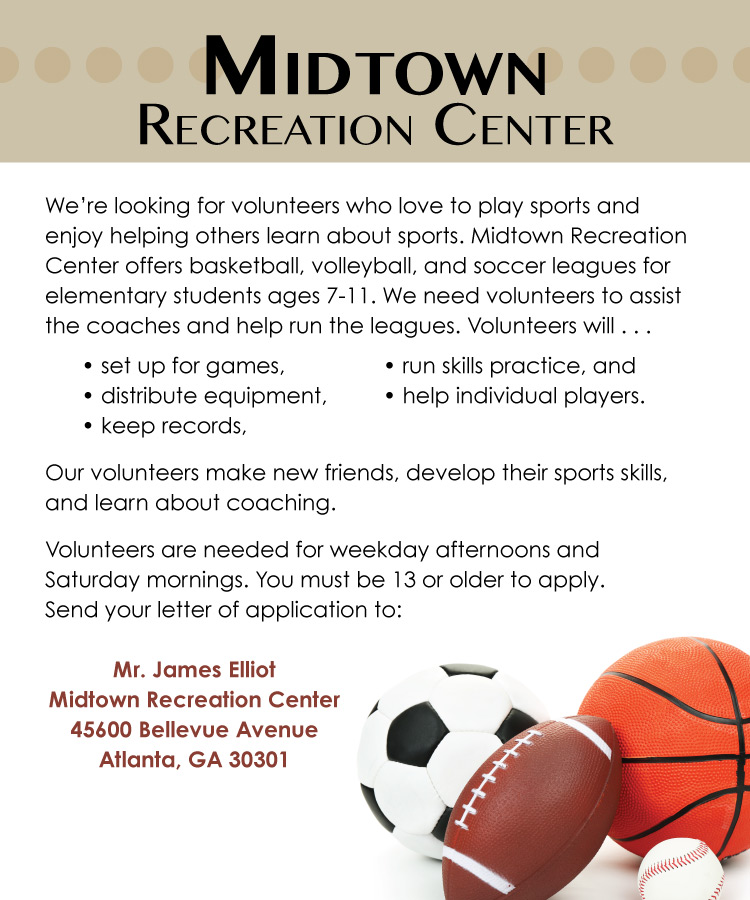
What follows are two example advertisements. Review the ads by clicking the arrows and consider how you would respond to them in an application letter. Pick one ad to respond to and list three reasons why you would be a good candidate for the opportunity.

  • Example Advertisement
  • Example Advertisement
By Anonymous (not verified), 12 March, 2026

Editing Research Reports

After revising your report, you need to edit it to correct any remaining errors. You'll look closely at sentences, punctuation, capitalization, grammar, usage, and spelling. The following activities will help you edit your research report.

Editing In-Text Citations

Always place in-text citations in parenthesis at the end of a sentence but before the end punctuation. In a direct quote, citations come after the closing quotation mark but before the end punctuation.

  • Correct: Ride wished the science part of her mission got more attention (Hurwitz 28).

  • Incorrect: Ride wished the science part of her mission got more attention. (Hurwitz 28)

  • Correct: “She inspired generations of young girls to reach for the stars” (Macy 5).

  • Incorrect: “She inspired generations of young girls to reach for the stars (Macy 5).”

Cite sources correctly.

Insert the citations in the correct places in each sentence. One example is provided.

  1. Thurgood Marshall changed the course of the Civil Rights Movement. (Smith 18)
  2. Thurgood Marshall changed the course of the Civil Rights Movement (Smith 18).

  3. Marshall believed in justice for all people. (Smith 24)
  4. “Every day we live with the legacy of Justice Thurgood Marshall.” (Feldman 45)
  5. In grade school, he had to memorize the Constitution as a punishment for goofing around. (“Biography”)
By Anonymous (not verified), 12 March, 2026

Writing a Research Report

Once you finish your planning and research, you are ready to write your first draft. These activities will help you hook the reader's interest at the beginning, explain important information in the middle, and end with a strong final point.

Writing the Beginning Paragraph

Write a lead.

Read each lead-writing strategy and example and write your own.

  1. Ask a question about the topic.
  2. Did you know women couldn’t become astronauts for almost the first three decades of the space program?

  3. Start with a surprising fact or detail about the topic.
  4. Before Sally Ride, space travel was mostly a club for men.

  5. Tell a little story about the person.
  6. Sally Ride didn’t always want to be an astronaut. When she was young, going to space was not a realistic aspiration for girls.

Write your beginning paragraph.

Write your lead and then give details that lead up to your focus statement. End the paragraph with your focus statement.

By Anonymous (not verified), 12 March, 2026

Prewriting for Research Reports

Of all the forms of academic writing, research reports require the most planning. The good news is that the extra attention you give to prewriting will make it easier for you to draft your report.

Prewriting to Select a Topic

For your report, you will research an important person from the past or present. As you consider topic choices, note people who truly interest you, because you will be spending a lot of time learning about them.

Create a cluster.

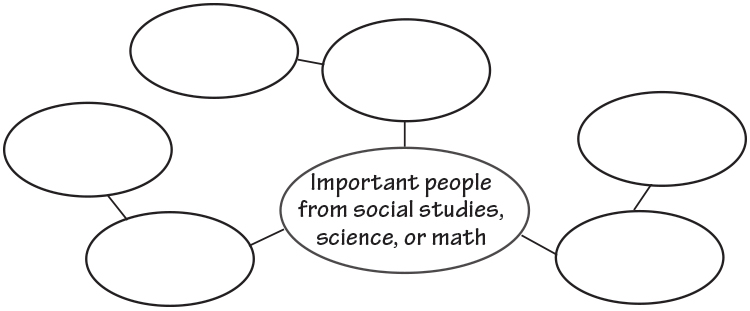
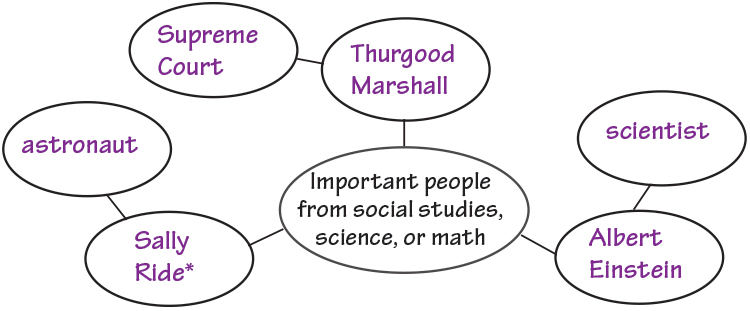
Create a cluster about historical figures from social studies, science, or math. Add names in the first branch of circles. Write a detail about the person in the second branch. Finally, put a star by the person you want to write about.

Cluster
  • Cluster
  • Cluster

Other Ways to Discover Topic Ideas

Search online or scan your school books for influential figures. Also try freewriting for topics.

Prewriting for Research Questions

Now that you have decided on a topic for your report, you need to find out what you already know about the person and what you want to learn.

Record what you know.

List all the things that you definitely know to be true about your topic. Then list any information you are not completely sure of.

By Anonymous (not verified), 12 March, 2026

Editing Advertisement Essays

After you've improved the appeals in your first draft, gotten rid of logical fallacies, and otherwise revised your advertisement essay, you are ready to edit your work. You'll look for problems with sentences, punctuation, capitalization, grammar, usage, and spelling. The following activities will help you.

Editing for Pronoun Agreement

A pronoun is used in place of a noun or another pronoun. The word that the pronoun refers to is called an antecedent. Pronouns and antecedents must agree. This means that they must both be singular or they must both be plural. It also means that the gender should match. Here are some examples.

Tula doesn’t think she needs a seat belt.

(The pronoun “she” and its antecedent “Tula” are both singular and feminine.)

Nick forgot to wear his seat belt.

(The pronoun “his” and its antecedent “Nick” are both singular and masculine.)

Seat belts save lives if they are used properly.

(The pronoun “they” and its antecedent “seat belts” are both plural.)

Check for pronoun-antecedent agreement.

In each sentence below, underline the pronouns and the antecedents. If they do not agree, correct the error.

  1. That linebacker should pay more attention to their diet. That linebacker should pay more attention to his diet.
  2. Teenagers think that he or she can eat poorly and not get sick. Teenagers think that they can eat poorly and not get sick.
  3. My friends believe they can eat chips for breakfast and lunch. My friends believe they can eat chips for breakfast and lunch.
  4. Tess knows junk food affects their health. Tess knows junk food affects her health.
  5. Sickly people may get well just by changing his or her diet. Sickly people may get well just by changing their diet.
  6. Doctors tell patients to put fruits and vegetables on their plates every day. Doctors tell patients to put fruits and vegetables on their plates every day.
  7. Those boys put too much food on his plates. Those boys put too much food on their plates.
  8. Bev trusted his own diet plan. Bev trusted her own diet plan.
  9. Many people try to watch his weight. Many people try to watch their weight.
  10. Charlie always eats the food he takes. Charlie always eats the food he takes.

Edit for pronoun-antecedent agreement.

Reread your essay, making sure all pronouns agree with their antecedents. If you find any problems, correct them.

By Anonymous (not verified), 12 March, 2026

Revising Advertisement Essays

After you write a first draft, you're ready to revise. You need to think about how well you have connected your product to the needs of readers. You also need to make sure you haven't used any unfair appeals, which actually weaken your argument. These activities will help you revise.

Revising to Appeal to Readers

You can't convince people to buy your product by showing how it will help you. You must convince them by showing how your product helps them. To do so effectively, you need to think about the needs of your audience.

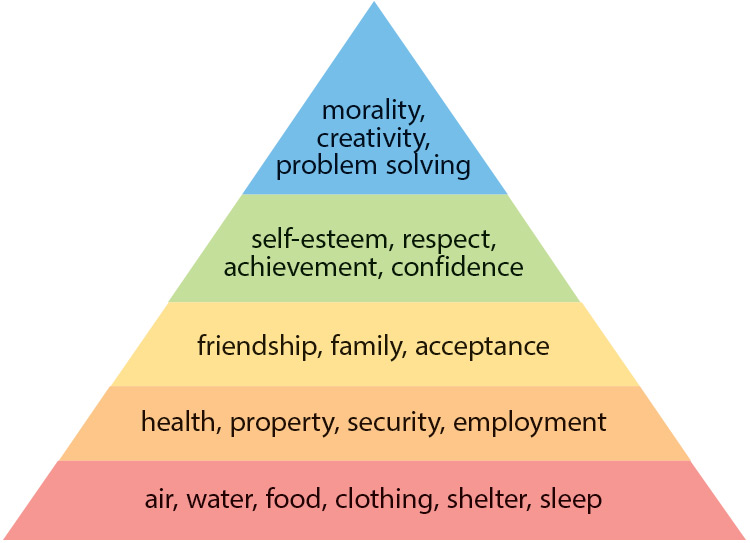
Basic Needs Pyramid

The American psychologist Abraham Maslow created a pyramid that showed different levels of human need. At the bottom, you'll find basic needs: air, water, food, and so on. On the next level, you'll find needs that build on those, and so on, going up to morality, creativity, and problem solving at the top. You can use this pyramid to connect your product to the needs of your readers.

Connect to readers' needs.

Answer the following questions to think of ways your product helps readers.

  1. How does your product connect with readers' basic needs (bottom-level)?
  2. How does your product connect with readers' intermediate needs (middle three levels)?
  3. How does your product connect with readers' upper-level needs (top triangle)?
  4. Choose three needs from the list above. For each one, write a sentence that appeals to your reader, showing how the person benefits from the product.
By Anonymous (not verified), 12 March, 2026

Writing an Advertisement Essay

Now that you have chosen a product to promote, listed reasons to use it, and gathered details to support your reasons, you are ready to connect your ideas in a first draft. These writing activities will help you create a strong beginning, middle, and ending. You'll also read another student's advertisement essay to see how all of the parts came together.

Writing the Beginning Paragraph

The first sentence is the lead. It should capture your reader’s interest, getting people interested in your product.

Write a lead.

Review each lead-writing strategy and write an example of your own.

  1. Ask the reader a question.

    What weighs less than a pound and could save your life?

  2. Start with a story.

    After school, you walk out the door and throw on your backpack. You unlock your bike from the bike rack. Then you hop on and ride off. What’s missing from this picture?

  3. Begin with an important quotation.

    "Wear a helmet now. Finish living later." That's just one slogan of many submitted to the recent Bicycle Helmet Safety Slogan Contest.

  4. Make a surprising statement.

    When bike fatalaties occur, 97 percent of the time, the rider had no helmet.

Write your beginning paragraph.

Write your lead and then provide details as you work toward your opinion statement. Write the opinion statement as the last sentence in the beginning paragraph.

Lead Sentence

Detail Sentences

Opinion Statement

By Anonymous (not verified), 12 March, 2026

Editing Persuasive Essays

After making big changes to improve your persuasive essay, you need to make little (but important) changes to correct any remaining errors. When you edit, you look for problems with sentences, punctuation, capitalization, grammar, usage, and spelling. The following activities will help you edit and publish your writing.

Editing for Subject-Verb Agreement

The two past-tense forms of the “be” verb (was and were) often cause problems when it comes to subject-verb agreement. (Was is singular, and were is plural.)

Katrice was in study hall when the first alarm went off.

"Katrice" is a singular subject, and "was" is a singular verb.

The lunch trays were found in a huge cupboard.

“Trays” is a plural subject, and “were” is a plural verb. The subject and verb agree in number.

Note: Always use the plural verb “were” with the subject “you,” whether “you” is singular or plural in number.

You were the hardest worker at the festival.

In this sentence “you” is a singular subject.

You were the last students to finish the test.

In this sentence “you” is a plural subject.

Choose the correct verb.

Highlight or underline the verb that agrees in number with the subject in each of the following sentences. Make a copy of this Google doc or download a Word template.