Writing a Process Essay
Once you finish prewriting, you are ready to create the first draft of your ideas. These writing activities will help you create a strong beginning, middle, and ending for your process essay. You'll also read another student's essay to see how all of the parts came together.
Writing the Beginning Paragraph
Write your beginning paragraph.
Write your lead sentence and move to your focus statement.
Lead Sentence
Detail Sentences
Focus Statement
Writing the Middle Paragraphs
Write topic sentences.
For each middle paragraph, write a topic sentence that names the step.
- Write a topic sentence for step 1:
First of all, have your parent take you to buy a hamster.
- Write a topic sentence for step 2:
Next, you need to get a cage for your hamster.
- Write a topic sentence for step 3:
Afterward, you need to take care of your pet.
- Write topic sentences for any other steps:
You can even build mazes to help your pet get exercise!
Write middle paragraphs.
Write your topic sentences. Add detail sentences to support them. Use time-order transitions to connect your ideas.
Time-Order Transitions
first
next
then
afterward
to start
secondly
continue by
finally
last year
a week later
next month
by the end
before
when
during
after
Middle Paragraph 1
Topic Sentence
Detail Sentences
Middle Paragraph 2
Topic Sentence
Detail Sentences
Middle Paragraph 3
Topic Sentence
Detail Sentences
Middle Paragraph 4
Topic Sentence
Detail Sentences
Middle Paragraph 5
Topic Sentence
Detail Sentences
Teaching Tip
Let students know they don’t have to have five middle paragraphs.
Writing the Ending Paragraph
Write your ending paragraph.
Try these ending strategies. Then combine some into an ending paragraph.
- Restate your focus.
Soon, you’ll find out that your little teddy bear is a lot like you.
- Tell readers to do something.
Treat your hamster to sunflower seeds, but not too many!
- Give a last thought.
As you learn more about your little friend, you become an even better big friend.
Read a sample.
Note how the writer put the parts together.
Listen to "Living Teddy Bears."
Hide audio
Read a Sample Process Draft
Living Teddy Bears
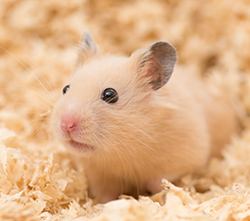
LeadHow would you like to have a living teddy bear? You can if you adopt a teddy bear hamster. Remember, though, that your hamster isn’t a stuffed animal but a living creature. Focus StatementBy following these steps, you can have your own living teddy bear!
Topic SentencesFirst of all, have your parent take you to buy a hamster. If you get a male hamster, you won’t end up with babies. Find a hamster that likes to be held and won’t bite. Give your hamster a great name. Mine is “Fuzzy Wuzzy.”
Next, you need to get a cage for your hamster. Detail SentencesMetal cages let the air flow through, but plastic cages can have all kinds of tubes and tunnels added on for exercise. Whatever the cage, you need a water bottle, a food dish, and a wheel for running. Also, you need food, wood to gnaw, and cedar bedding. Set up the cage in a safe, warm place away from cats.
TransitionsAfterward, you need to take care of your pet. Provide fresh food every day and water whenever the bottle gets low. Clean the cage once every week or so. Remember also to hold your hamster. Help your pet learn to trust you. You can also build mazes out of cardboard tubes and Pringles cans, so your pet has new, fun places to explore.
Ending ParagraphSoon, you’ll find out that your little teddy bear is a lot like you. You like treats like ice cream, and hamsters like treats like sunflower seeds, but not too many! You don’t like to get disturbed while you sleep, and neither do hamsters, though they like to sleep in the day. As you learn more about your little friend, you’ll become an even better big friend.
Teaching Tip
Students will recognize many parts of this essay, such as the lead, focus statement, and topic sentences. Help them see the choices the writer has made in drafting.